Pépinière la Réfriche
Crabapple tree (Malus domestica) - Zone 4
Crabapple tree (Malus domestica) - Zone 4
Couldn't load pickup availability
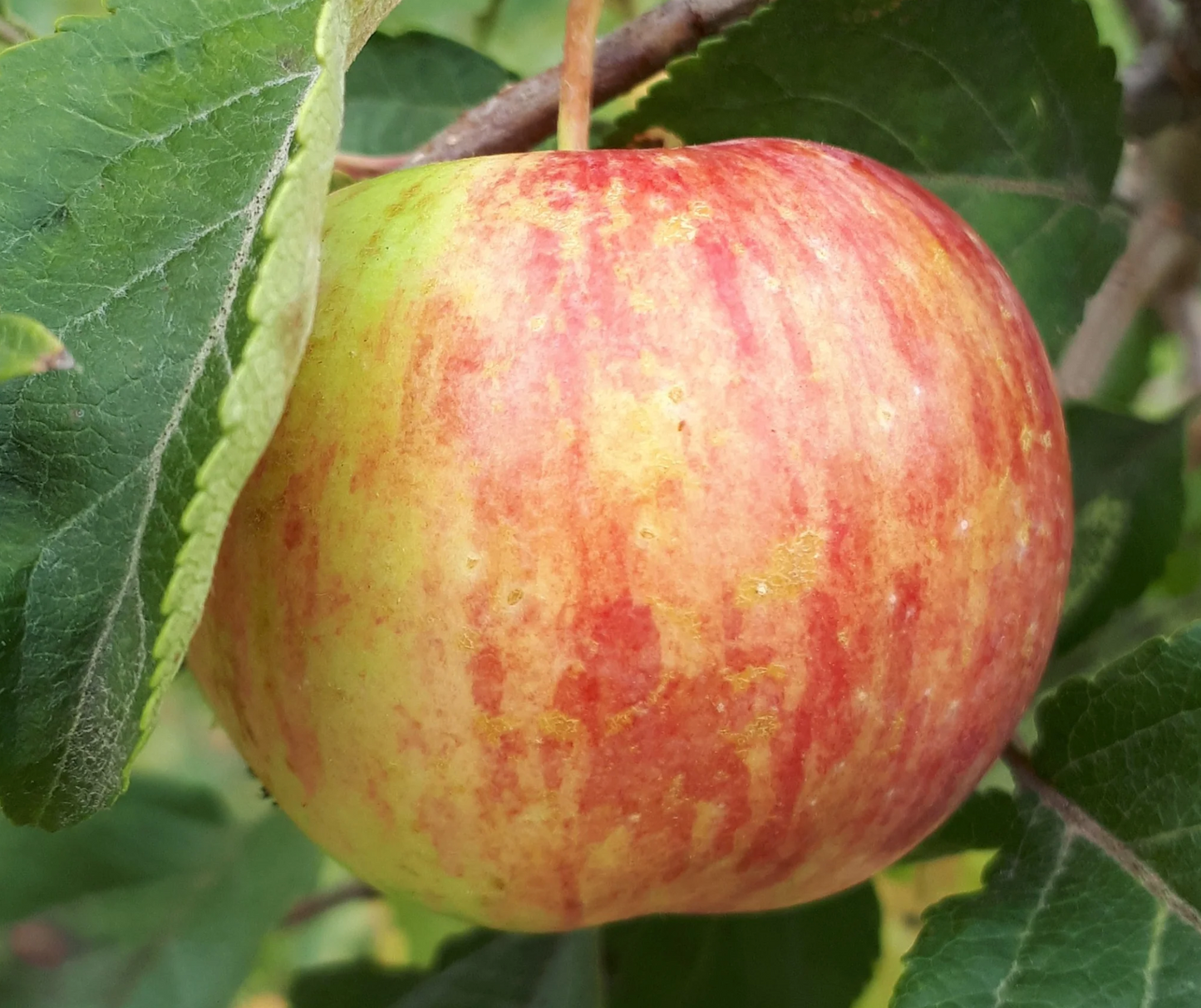
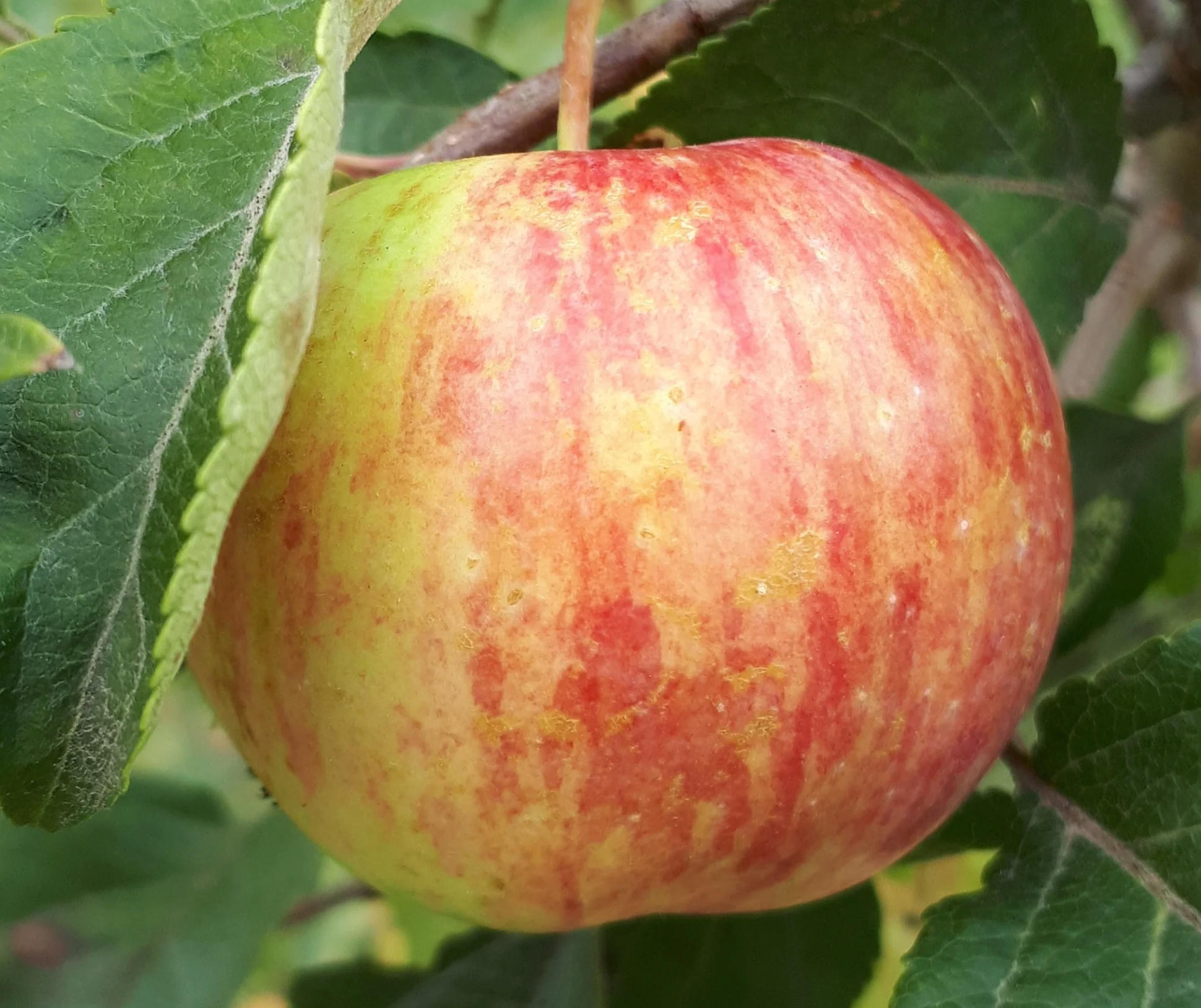
Chestnut crabapple tree - Zone 4b: A cross between a crabapple and an apple, the Chestnut has yellow skin speckled with orange and light yellow flesh. We love this large crabapple for the chestnut notes it can impart to jellies and ciders, as well as its juicy, sweet flavor, which makes it a delicious little apple to bite into. The ‘Chestnut’ crabapple tree is disease resistant, a good pollinator, and produces majestic blossoms.
'Dolgo' crabapple tree - Zone 2: Although many people enjoy it fresh for its sweet taste, the ‘Dolgo’ crabapple is particularly known for its high pectin content, which makes it a must-have for making jellies and jams. In addition, this crabapple tree is very ornamental and an excellent pollinator thanks to its abundant and prolonged flowering.
Habitat
Habitat
Apple trees should be planted in deep (at least 65 cm) and well-drained soil with a slightly acidic pH (6.5) and full sun exposure.
Size and habit
Size and habit
Currently, all the crabapple trees we produce are full-sized and long-lived. Standard apple trees, with a more established root system, will offer greater resilience to drought episodes, which will become more frequent due to climate change.
After 20 years, these crabapple trees will reach up to 6 m high and 4.5 m wide. That said, if the apple tree lives to be a hundred years old, it may be 10m high by 9m wide. Therefore, we recommend spacing them 10 m apart.
The size and habit of apple trees vary depending on the grafted individual. While you wait for our detailed fact sheets on each of the apple trees we offer, we recommend doing an internet search.
Pollination
Pollination
Self-sterile and insect-pollinated. An apple tree needs to be accompanied by an apple tree of a different variety to produce fruit.
Source
Source
Like the ‘Honeycrisp’ apple, the ‘Chestnut’ crabapple was developed through a hybridization program at the University of Minnesota.