Pépinière la Réfriche
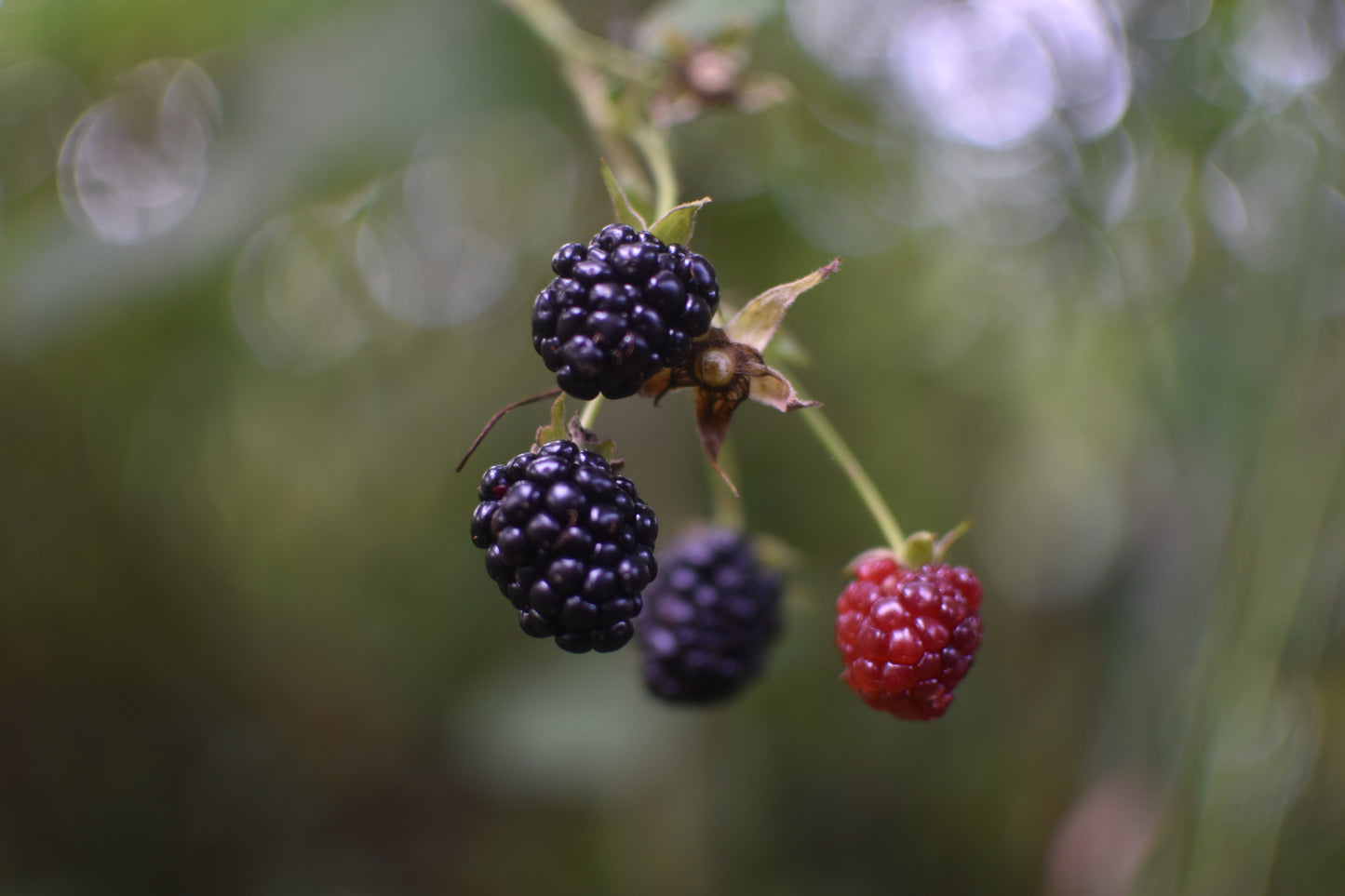
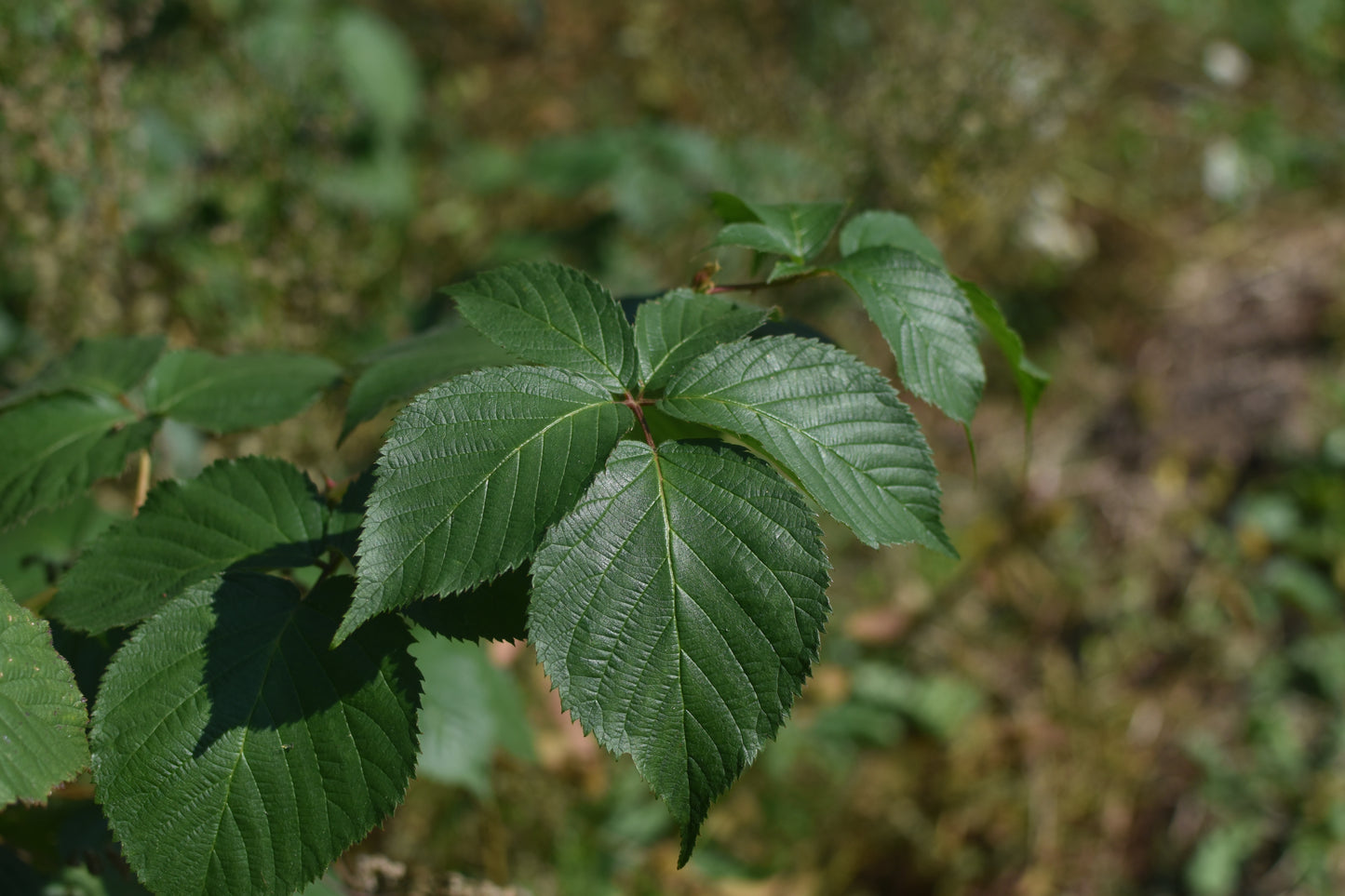
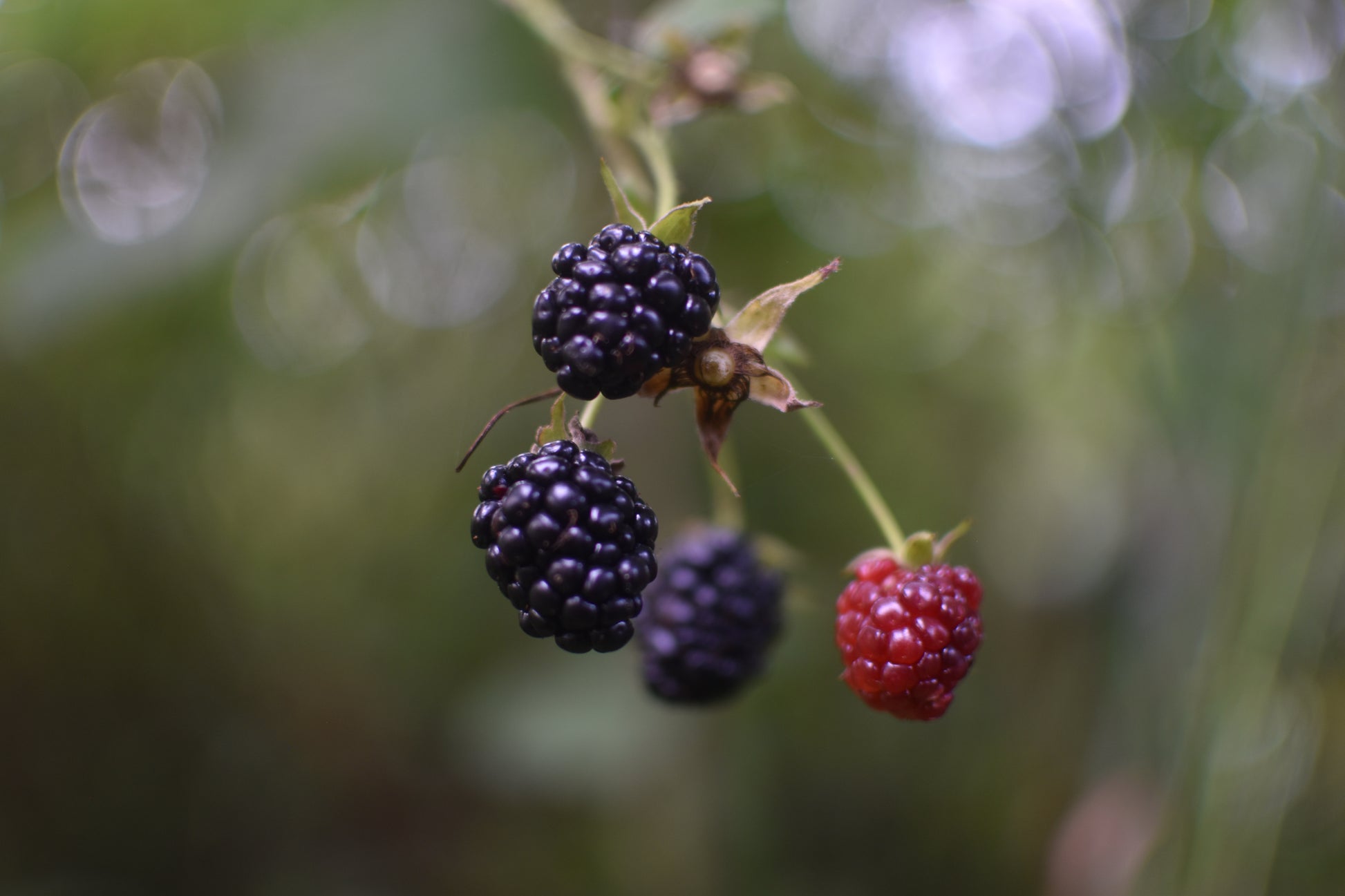
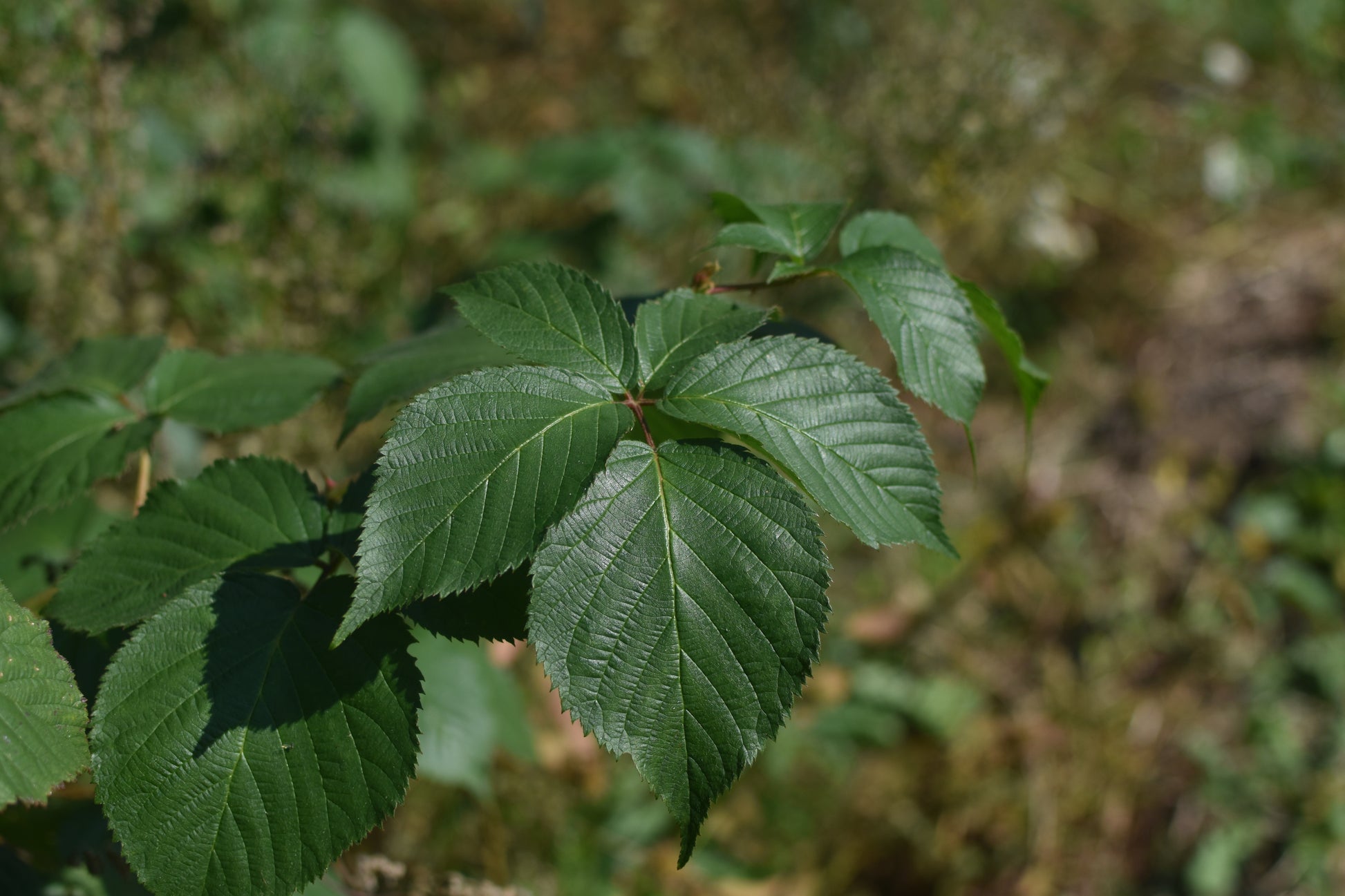
Wild blackberry selected - Zone 4
Wild blackberry selected - Zone 4
Couldn't load pickup availability
Habitat
Habitat
Mulberries thrive in very sunny areas and well-drained soil.
They have thorns and tend to spread laterally by suckering. It is best to plant them in large areas or in a more remote, chosen location.
They can be used to create hedges or thickets that will protect some birds from predators.
It may be wise to plant them in areas that are difficult to cultivate, such as a rocky slope or a ditch bank.
Size and habit
Size and habit
Mulberry plants produce canes that have a two-year life cycle. In the first year, these canes grow upright without producing fruit. The following year, these canes bear fruit and arch outwards. Once a cane has produced fruit, it dies and is replaced by another cane produced by the mulberry's root system.
A mature plant will produce several canes 1 to 2m high and will occupy a space 1m wide.
It is possible to limit the spread of the plant by annually pruning suckers and dead canes.
Pollination
Pollination
The wild mulberry is self-fertile, but planting several individuals ensures better flower pollination and therefore better fruit production.
Source
Source
The mulberry plants we propagate come from plants selected a long time ago in Ripon's Black Mountains.