Pépinière la Réfriche
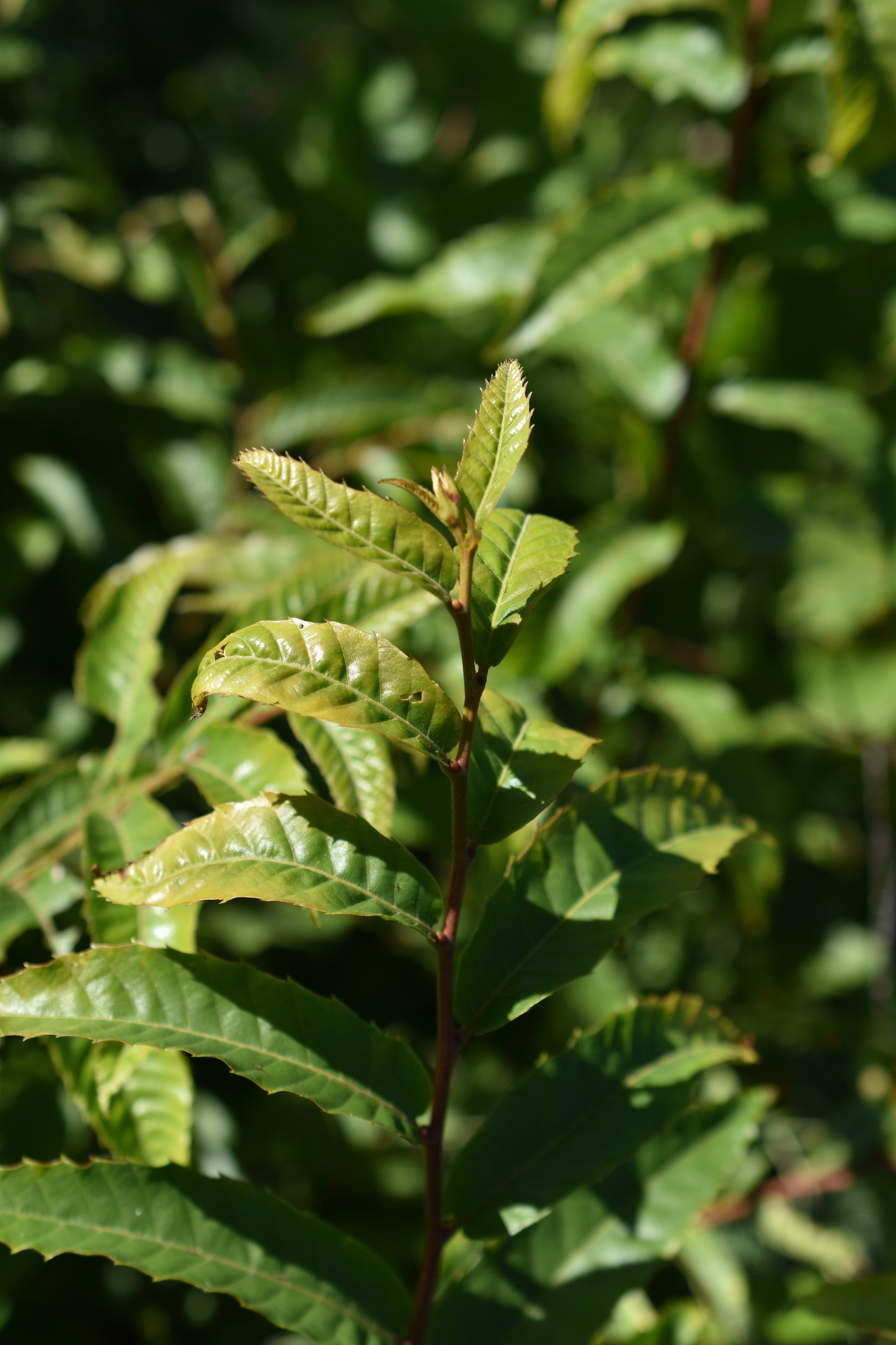
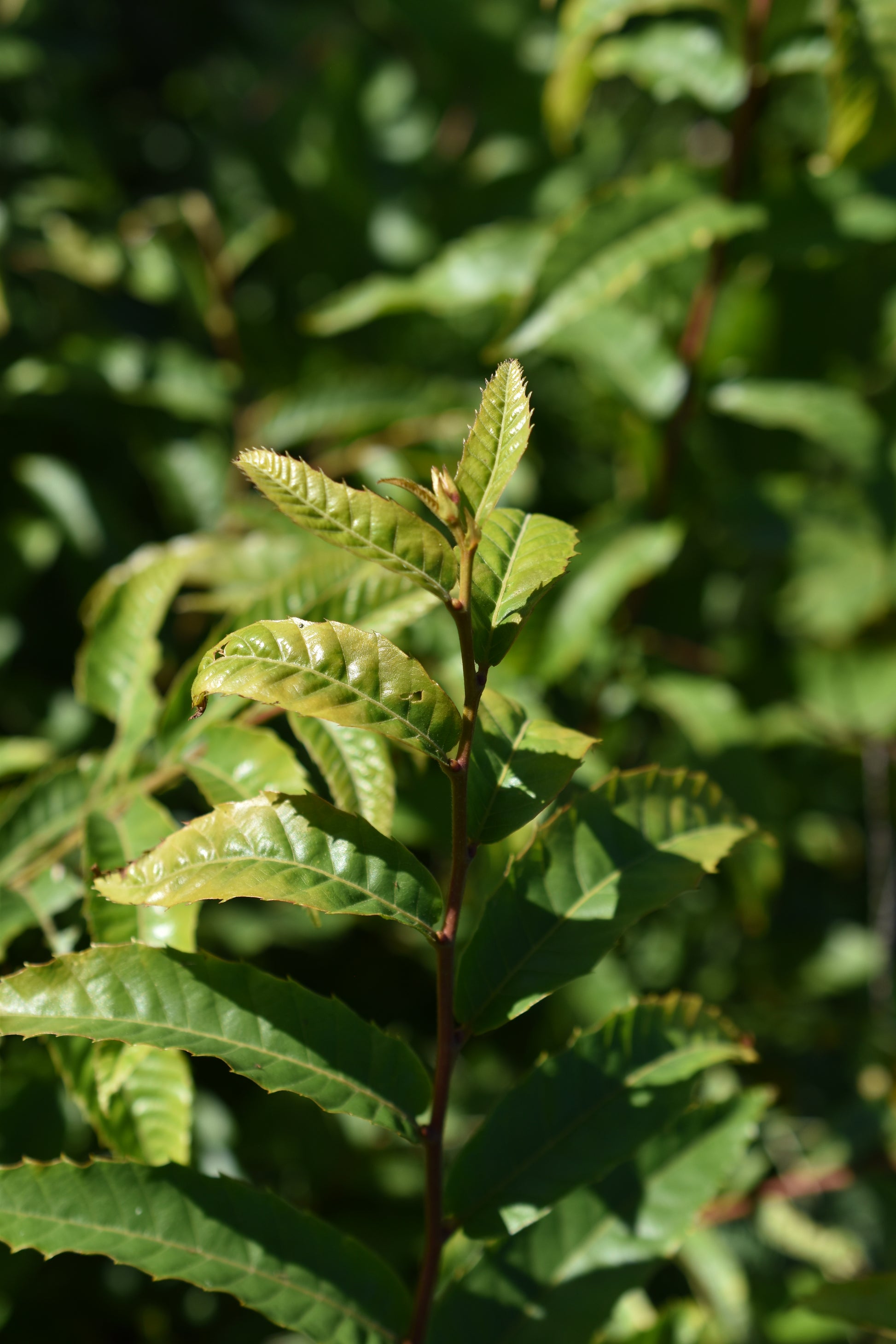
Japanese chestnut (Castanea crenata) - Zone 5a
Japanese chestnut (Castanea crenata) - Zone 5a
Couldn't load pickup availability
Castanea Crenata - Japanese chestnut - The parent trees in this selection are all Japanese chestnuts or hybrids with predominantly Japanese phenotypes. These are hardy, vigorous trees with strong apical dominance and large nuts that are more difficult to peel and more floury. The main interests of these trees are for timber, attracting and feeding wildlife, and hybridization. Zone 5b and above.
Habitat
Habitat
Soil Types
Chestnut trees of all species combined do not like soils where water accumulates. Transplanting into soil with a water table less than 60 cm deep results in the death of the plant due to root asphyxiation after 2 months.
As mountainous species, chestnut trees prefer aerated and acidic soils with a pH ranging between 5 and 6. It is possible to grow chestnut trees in very acidic soils with a pH of 4.5 or even more basic soils with a pH of 6.5. The species best suited to alkaline soil types would probably be the European chestnut (Castanea Sativa), but again, these would need to be hybrid chestnut seedlings (for hardiness and disease resistance) grown in alkaline soils.
Hardiness
Generally, the presence of American chestnut (Castanea dentata) increases the hardiness of crosses. This is not a rule without exceptions. The most important factor is the seed source. Therefore, a seed from a hybrid chestnut grown in Quebec will be better adapted to the Quebec climate than an American chestnut from Kentucky.
Disease Resistance
The main disease affecting chestnut trees is Chestnut Blight (Cryphonectria parasitica). Pure American and European chestnuts are not resistant and typically die three years after infection.
Furthermore, a second disease, an infection related to molds present in humid soils, Phytophthora cinnamomi, similarly affects European and American chestnuts. Chinese and Japanese chestnuts are resistant to it, hence the interest in hybridizing different chestnut species and planting hybrids.
Size and habit
Size and habit
Vigor and an upright growth habit are two dominant characteristics of Japanese chestnut tree growth.
We recommend planting trees 7m apart, center to center.
Pollination
Pollination
For effective pollination, we recommend planting at least three chestnut trees, with a maximum of one male sterile pollen chestnut tree.
Source
Source
Our selections are remarkable individuals worthy of propagation by seed from commercial orchards or university research centers.