Pépinière la Réfriche
Shellbark Hickory (Carya laciniosa) - Zone 5
Shellbark Hickory (Carya laciniosa) - Zone 5
Couldn't load pickup availability
Carya laciniosa: A cousin of the shagbark hickory, the shellbark hickory is quite rare in Canada, as its natural range is limited to the Niagara Valley in Ontario. This rare tree produces large nuts (twice the size of those of the hickory) with a pecan flavor that are prized by lovers of northern nuts.
Habitat
Habitat
Soil Types
The shellbark hickory is one of the few nut trees that tolerates wet and temporarily flooded soils well. It can therefore be grown in a lower-lying area or closer to a watercourse, provided it still has access to full sun exposure and plenty of heat.
It prefers cool, well-drained loams, but its drought and water tolerance mean it can be content with sandy or clayey soil.
Hardiness
Although this tree survives in Zone 4 and produces nuts in warm years, it is better suited to Zone 5, where its nuts will mature more regularly. That said, due to climate change, we can expect Zone 4 to become Zone 5 by the time this tree is in full production, i.e., after 30 to 40 years of growth.
Wood
Wood
Shagbark hickory wood is prized for its hardness and density, making it suitable for tool handles and high-quality furniture. It is also ideal for heating and smoking food.
Size and posture
Size and posture
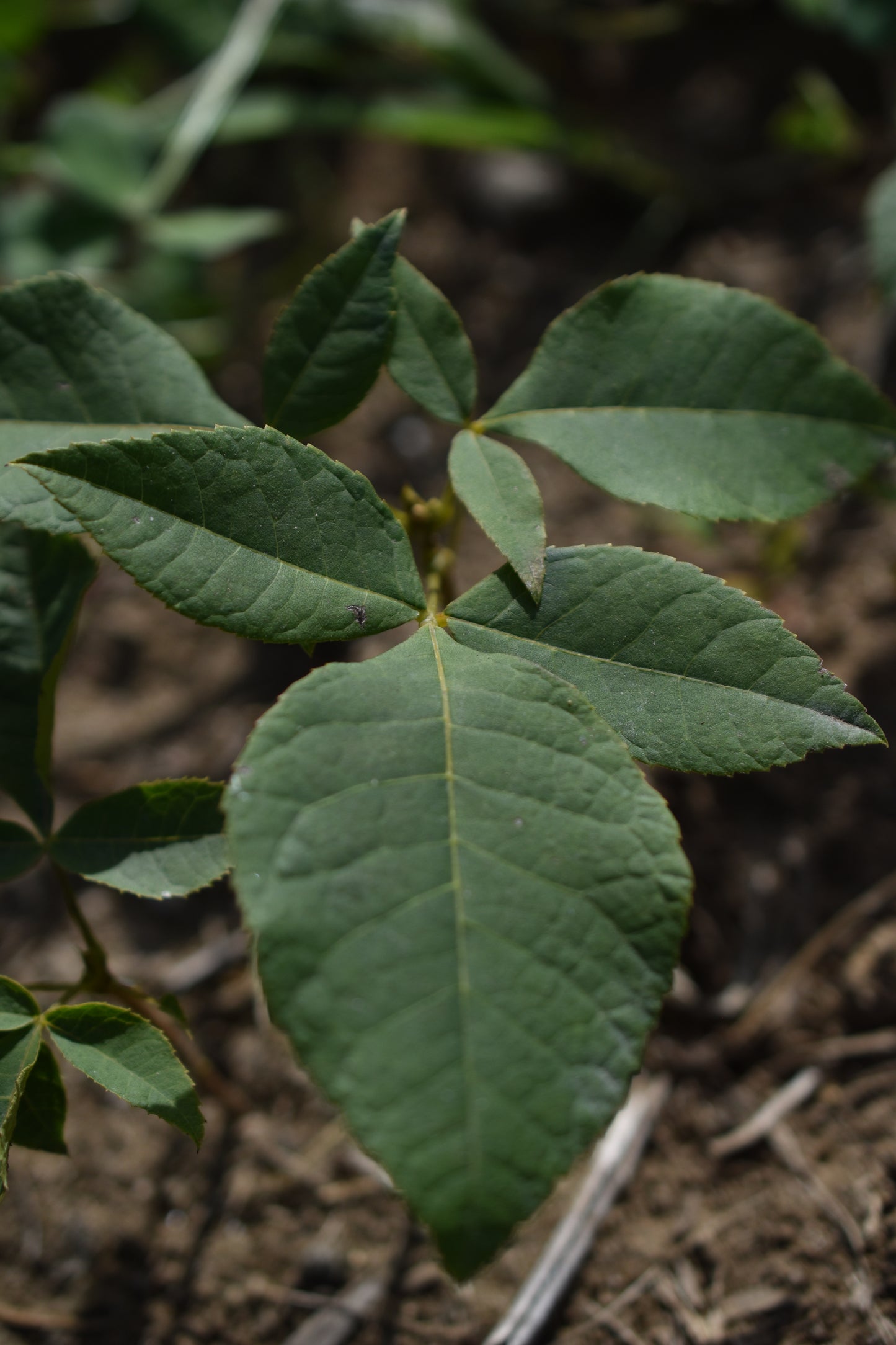
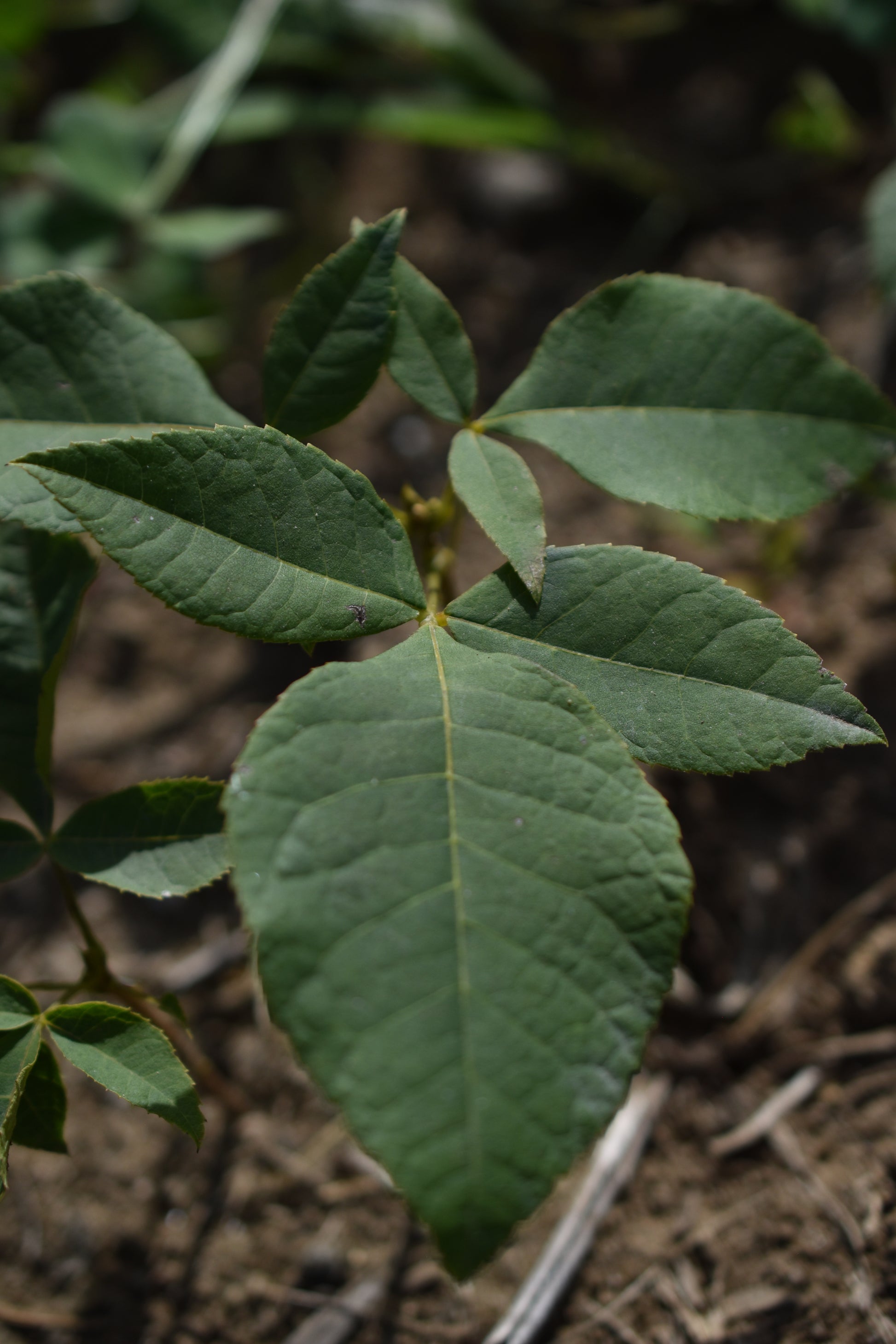
Shagbark hickories are not only long-lived but also tall, as they can reach between 18 and 24 meters in height and up to 15 meters in width. With their upright habit and large leaves with 7 leaflets that provide excellent shade, they are a prime choice for an ornamental tree.
Pollination
Pollination
Self-fertile. The presence of at least two carya trees (shagbark hickory, shellbark hickory, and in some exceptional cases northern pecan) ensures good, ideal nut production.
Source
Source
Our shagbark hickory seeds come from Southern Ontario and are from the most interesting cultivated varieties for nut production in Canada.