Pépinière la Réfriche
Female sea buckthorn 'Mary' - Zone 4
Female sea buckthorn 'Mary' - Zone 4
Couldn't load pickup availability
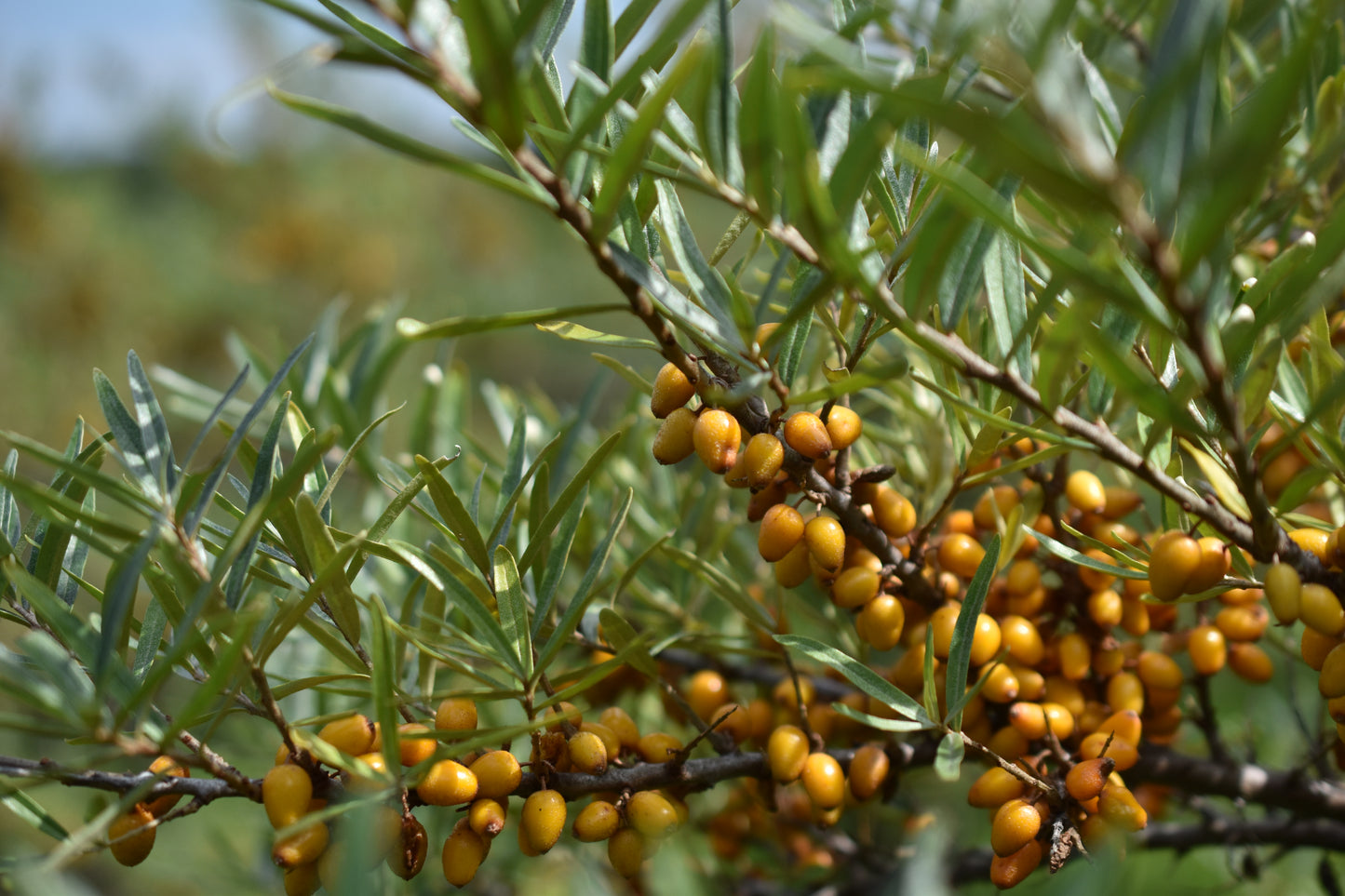
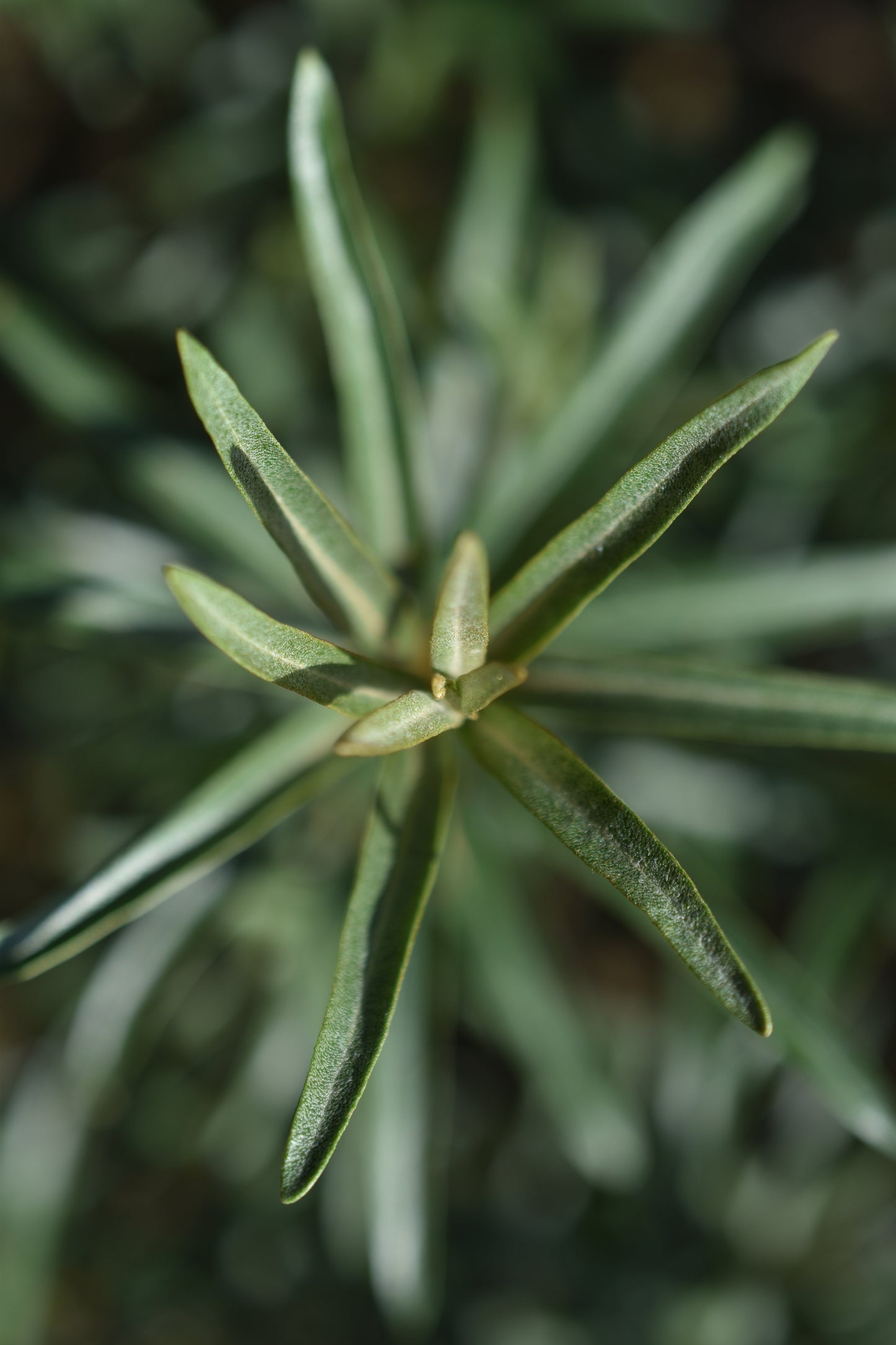
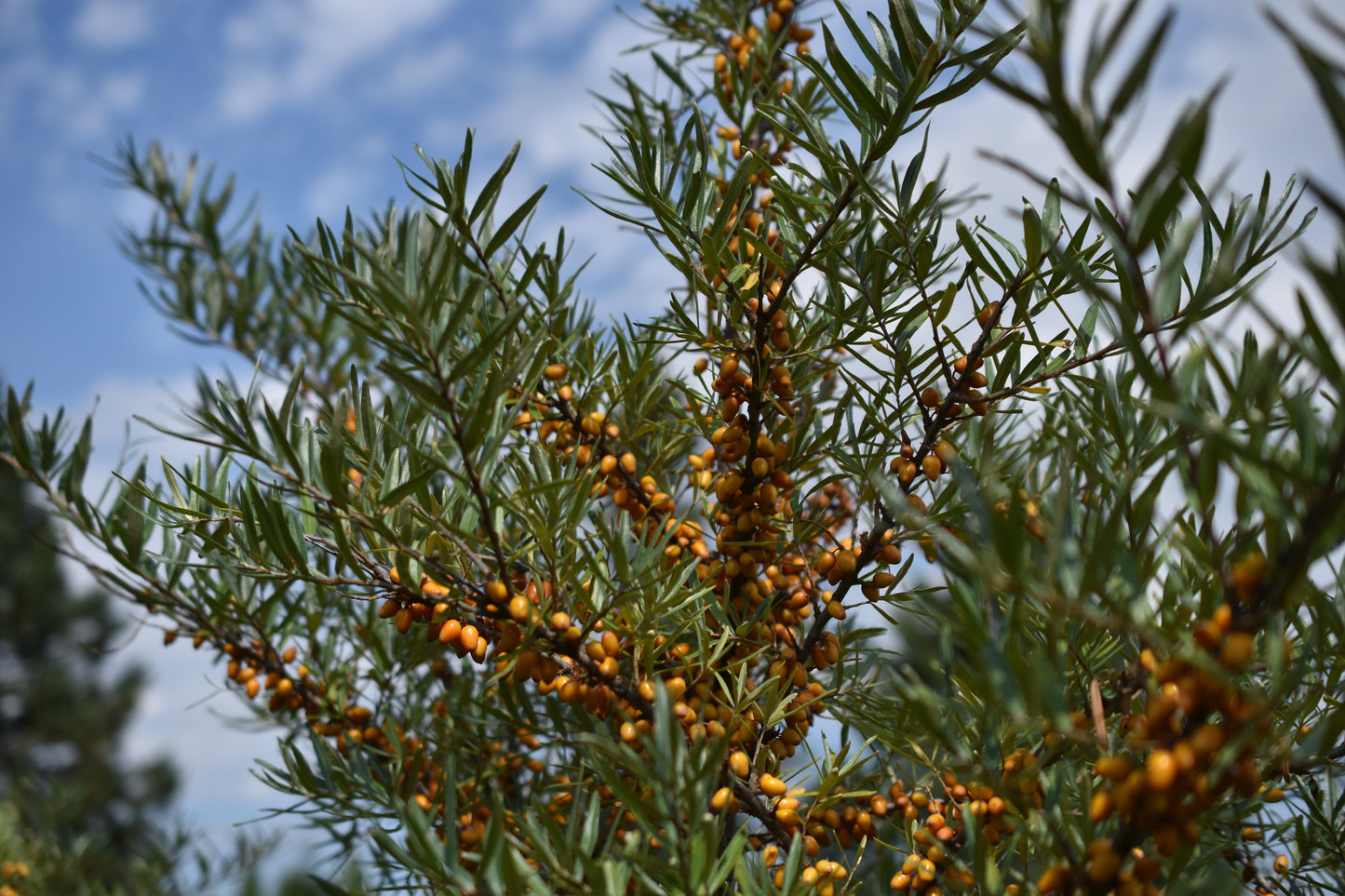
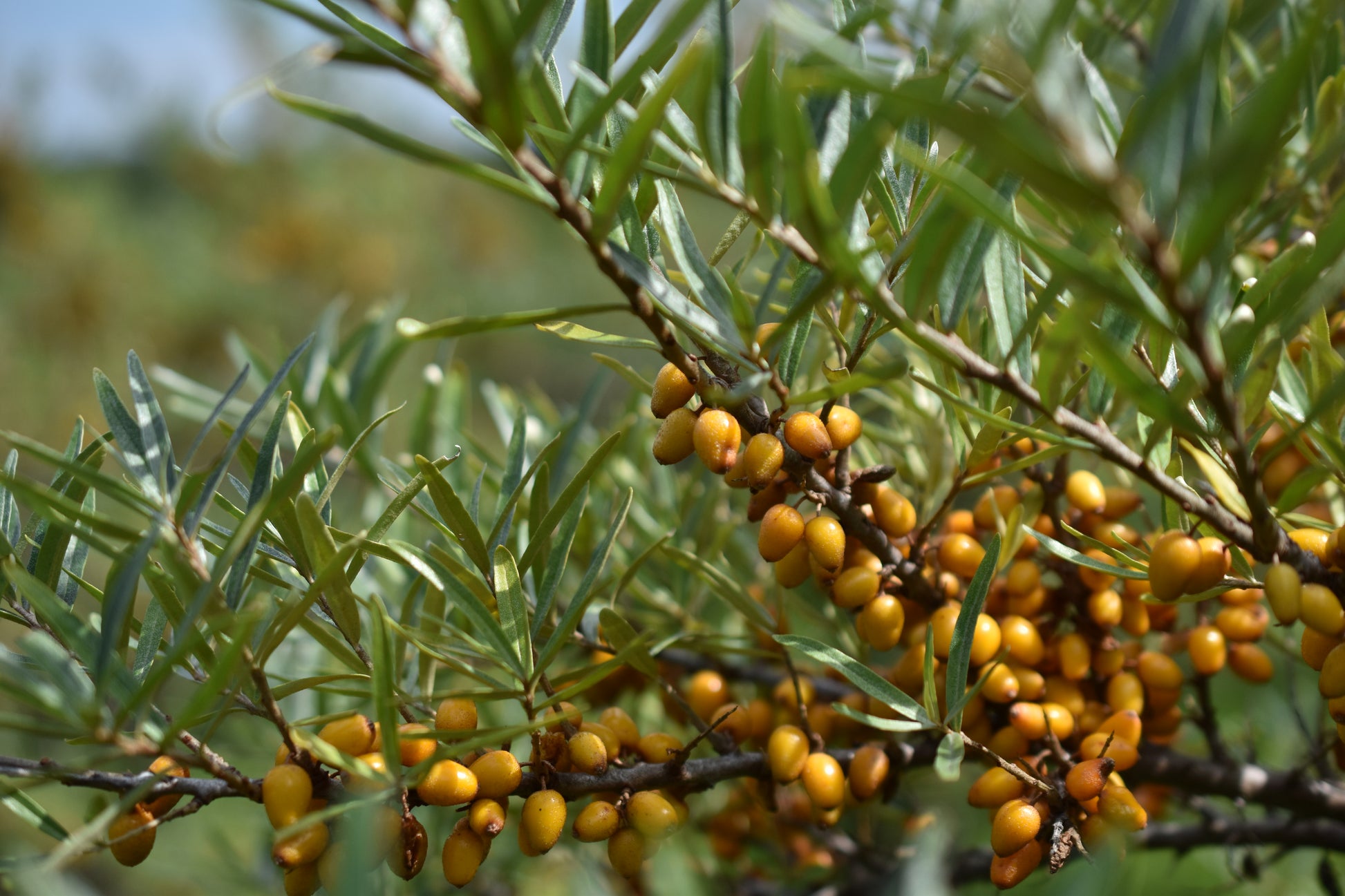
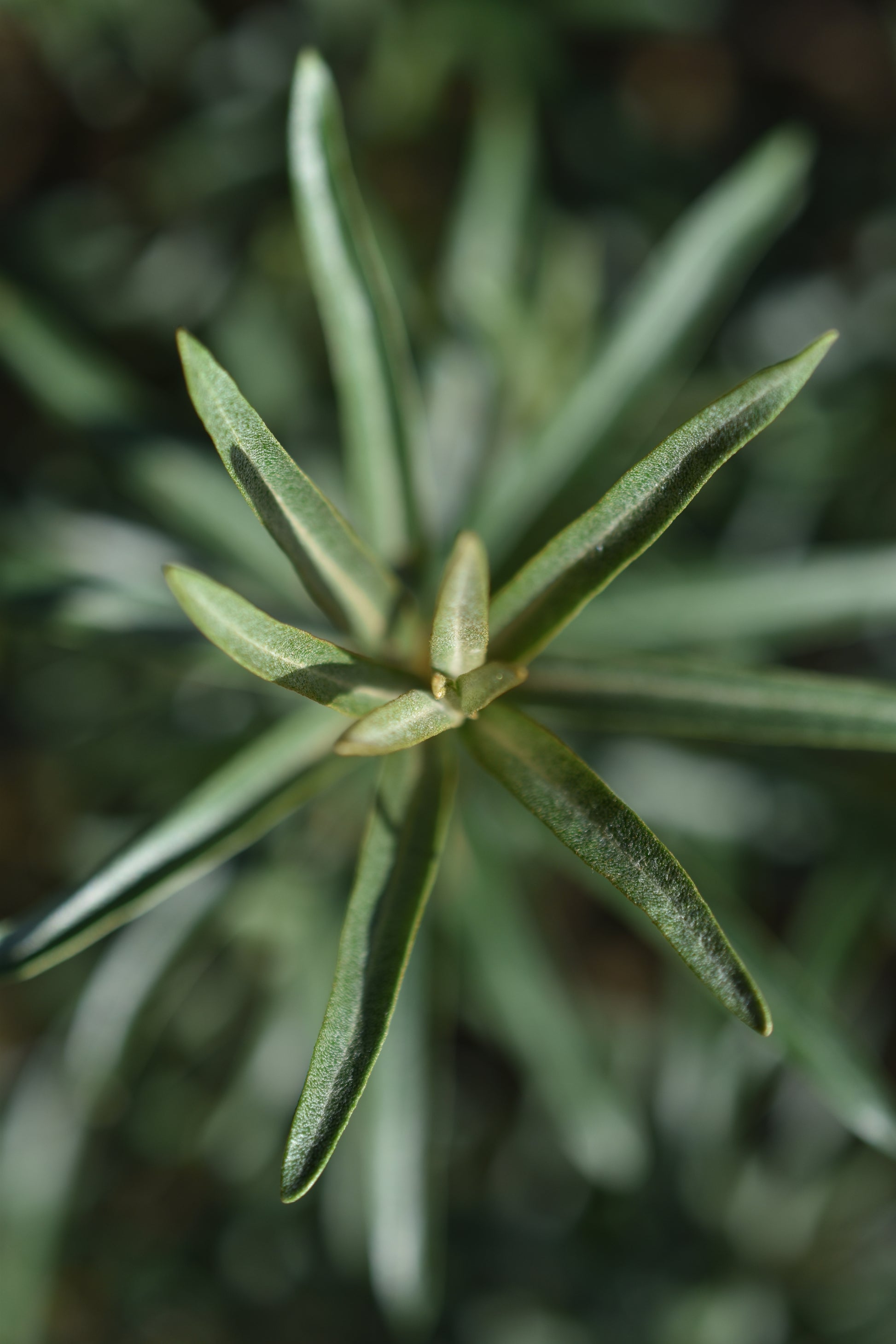
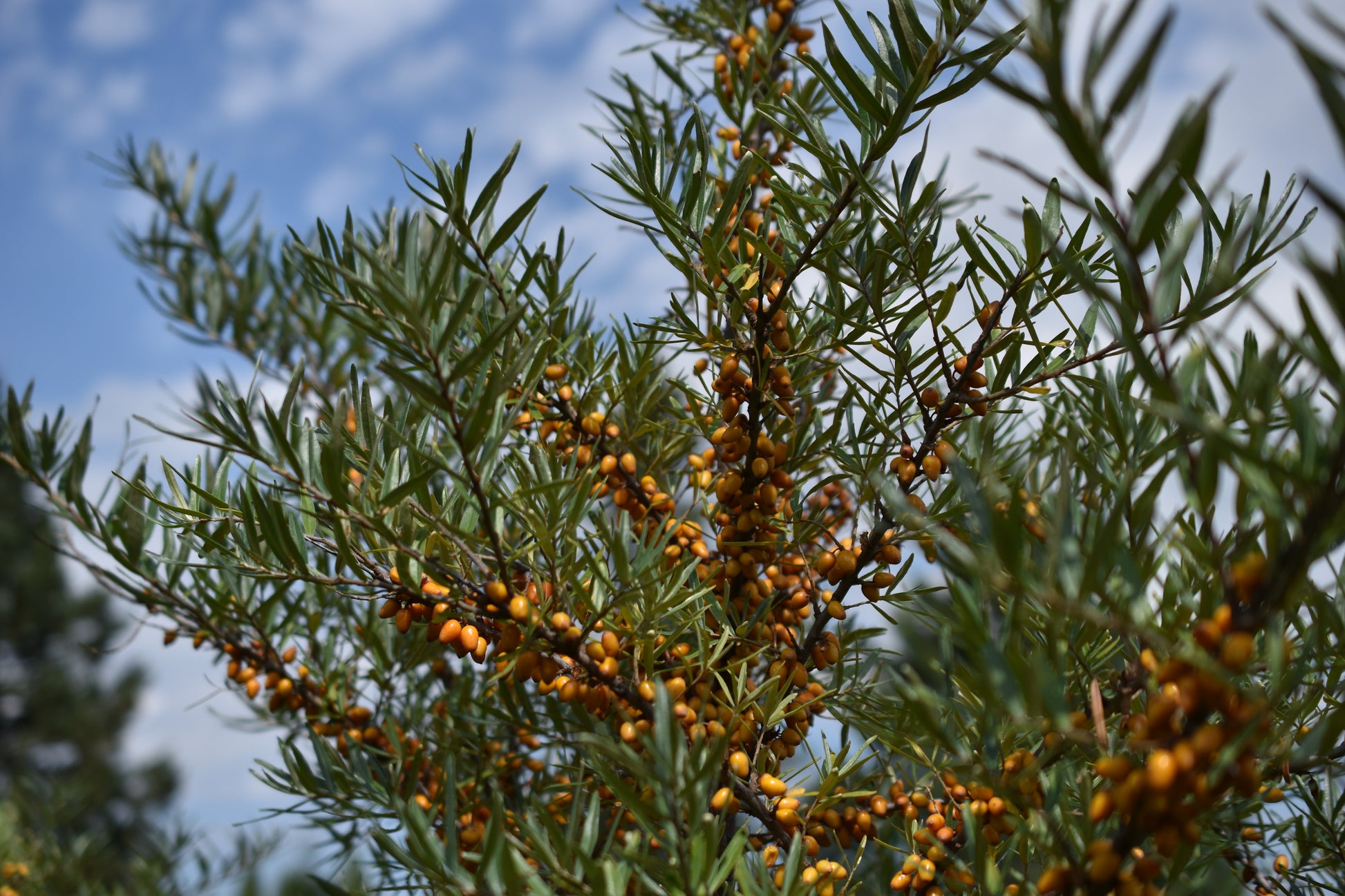
Hippophae Rhamnoides - The ‘Mary’ cultivar is a female variety sought after for its production of medium-sized fruits with a high oil content. They have a sweet and pleasant flavor, as they are low in total acids. The average weight of a berry is 0.68g. This variety is suitable for zones 4 and above. This shrub has few thorns. Harvesting takes place from early August to mid-September over a period of approximately four to six weeks, 100 days after flowering.
Habitat
Habitat
Sea buckthorn prefers slightly acidic (pH 6.4 to 6.8), sandy, well-drained soils. This species requires full sun exposure to survive. A sea buckthorn plant does not tolerate shade and tends to lose its leaves or even die in overly shaded conditions. Since the shrub is capable of fixing atmospheric nitrogen in the soil, it toler tolerates poor soils quite well.
Harvest
Harvest
For small quantities, sea buckthorn is harvested by hand, starting from the inside of the branch outwards, to avoid thorns. For large quantities, it is possible to cut the sea buckthorn branches and put them in the freezer.
Size and habit
Size and habit
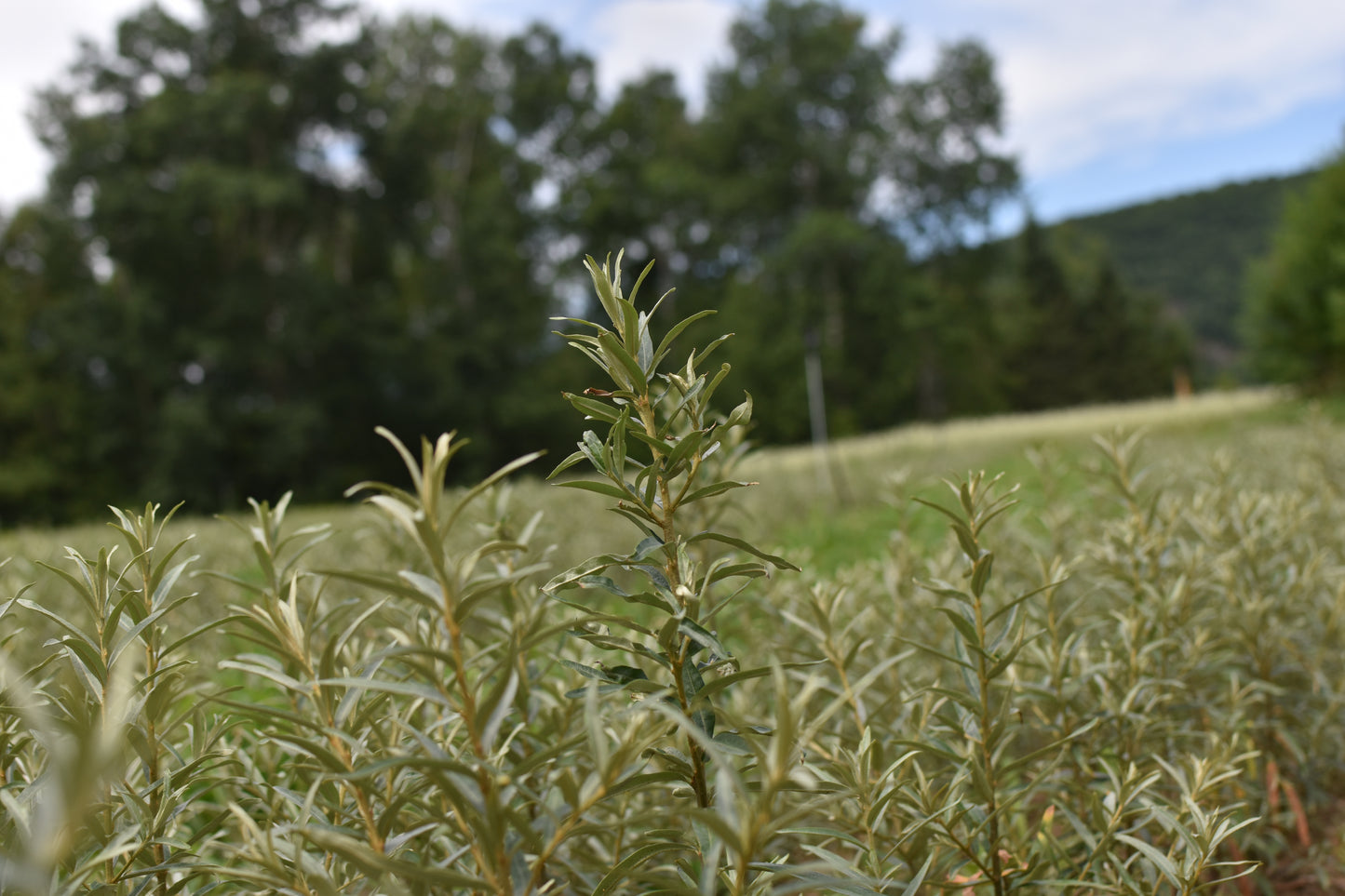
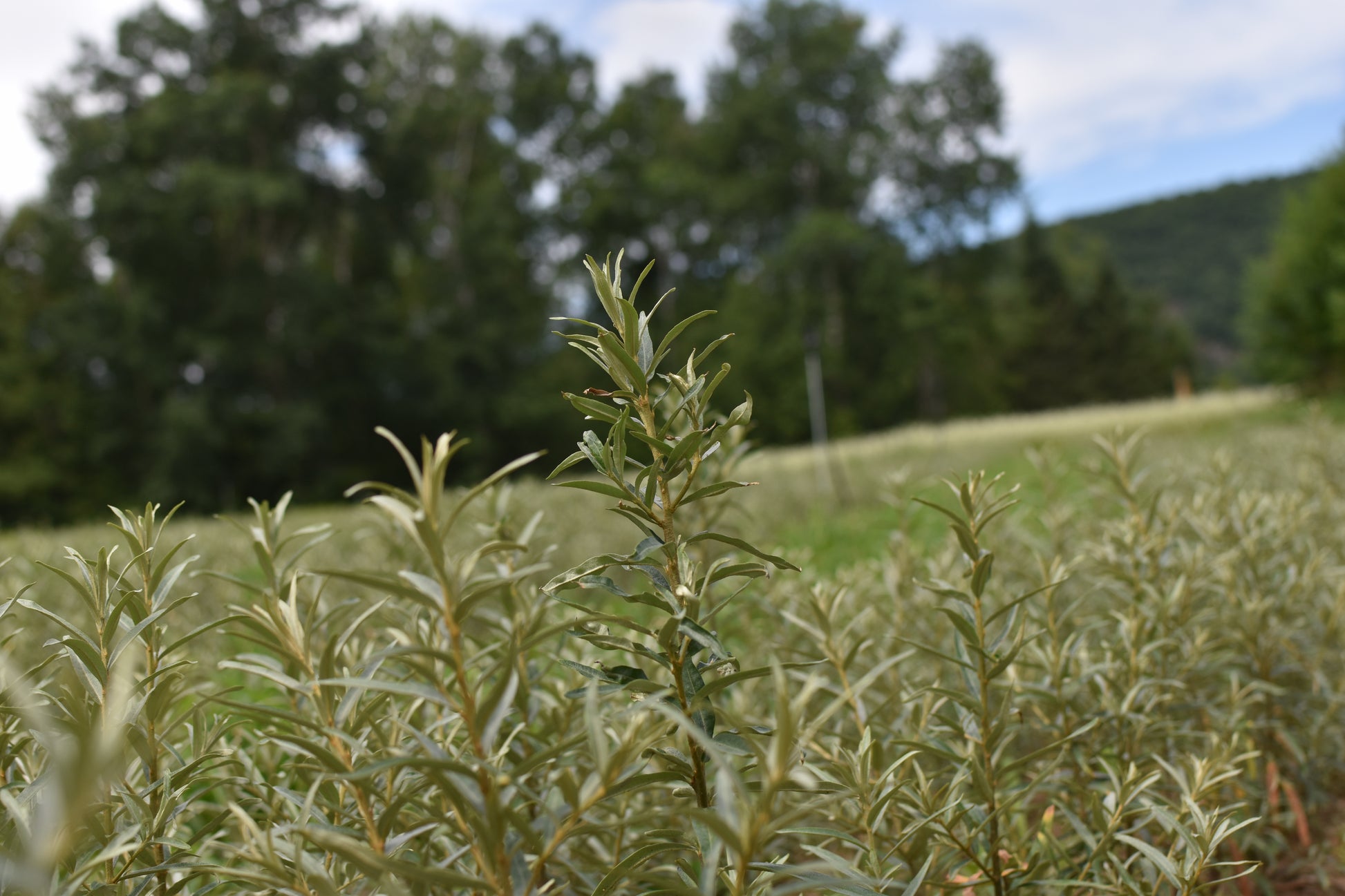
At maturity, this shrub is 10 to 15 feet tall.
Pollination
Pollination
Sea buckthorn is a dioecious species, meaning that an individual plant bears either male or female flowers, and none of its flowers are perfect (a botanical term meaning that a single flower has both male and female organs). Male sea buckthorn plants are therefore necessary at a ratio of 1 male plant to 6 female plants to achieve good fruit production. Sea buckthorn pollination is wind-driven, so it is wise to place the male plant upwind of prevailing winds.
Source
Source
The ‘Mary’ cultivar, also known by its original name ‘Marija Bruvele’, was developed in Latvia by horticulturist Andresj Bruvelis. It was obtained by crossing the ‘Sunny’ variety with a Latvian male plant.